
Stranger Things: A Writer's Breakdown
Explore the hit series through the lens of storytelling craft, narrative structure, and character development. After completing a full rewatch aheads of season 5, this analysis examines how each season builds tension, evolves character arcs, and escalates stakes while maintaining emotional resonance. From small-town mystery roots to large-scale supernatural spectacle, this breakdown highlights what Stranger Things gets right, where it stumbles, and what writers can learn from its long-form storytelling approach. Perfect for writers, screenwriters, and fans interested in story structure, pacing, and genre evolution.
STORY ANALYSISTELEVISION BREAKDOWNWRITING CRAFTMYSTERY& SUSPENSE
Courtney Hickling
1/9/20262 min read
Before Season 5 arrived, I did what any responsible writer and long-suffering fan would do: I rewatched all four seasons of Stranger Things from the beginning.
Partly because I love the show. Partly because it had been decades—possibly millennia—since Season 4 dropped. And partly because I wanted to watch it again, not just as a fan who LOVED the show, but as a writer. Going into my rewatch, I asked:
What makes Stranger Things work so well?
Why has it sustained cultural relevance across multiple seasons, cast growth, and escalating stakes?
Where does it stumble?
From a storytelling perspective, Stranger Things is a fascinating case study in structure, escalation, character arcs, and tonal control. Let’s break it down, season by season.
Season 1: The Gold Standard of Setup
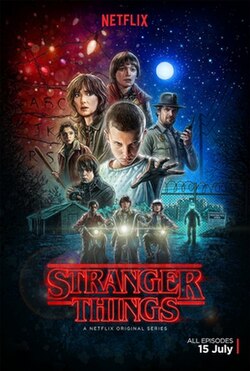
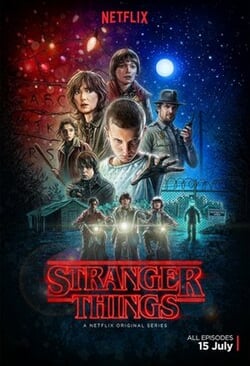
Netflix and the Duffer Brothers introduced us to Stranger Things on July 15th, 2016, taking us back to November 1983 in the small town of Hawkins, Indiana, where the mysterious disappearance of 12-year-old Will Byers upends the town. Will has been abducted and dragged into the parallel dimension, the Upside Down.
This first season introduces us to Joyce, Hopper, Jonathan, Nancy, Steve, Mike, Dustin, Lucas, and a psychokinetic girl, Eleven. This group cobbles together a desperate rescue mission to save Will and destroy the "Demogorgon" monster.
Season 1 was lightning in a bottle. From a writing standpoint, this season works because it was focused, intimate, and disciplined.
What Works:
A simple central mystery: a missing boy
Clear emotional stakes: fear, grief, loyalty, love
Limited scope: one town, one lab, one monster
Character-first storytelling: the supernatural exists because of the characters, not the other way around
Every storyline in Season 1 reinforces the same emotional question:
What would you do for someone you love if the world stopped making sense?
The Upside Down is terrifying, yes. The demogorgon is terrifying, double yes. What is happening to Will is the third strike in the terrifying alley. Yet, none of this is the point. The point is how ordinary people respond when the impossible happens to them!
From a craft perspective, Season 1 perfectly nails:
Tight pacing
Clear act structure
Escalating reveals
Restraint
It leaves just enough unanswered to feel eerie, not confusing. This is the season writers should study if they want to understand how to launch a story without overexplaining it.
Season 2: Expansion (and the First Crack)
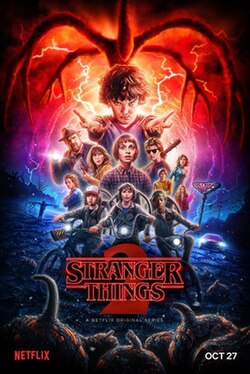
Netflix and the Duffer Brothers introduced us to Stranger Things on July 15th, XXXX, taking us back to November 1983 in the small town of Hawkins, Indiana, which is upended by the mysterious disappearance of 12-year-old Will Byers. Will has been abducted and dragged into the parallel dimension, the Upside Down.
This first season introduces us to Joyce, Hopper, Jonathan, Nancy, Steve, Mike, Dustin, Lucas, and a psychokinetic girl, Eleven. This group cobbles together a desperate rescue mission to save Will and destroy the "Demogorgon" monster.
Season 1 was lightning in a bottle. From a writing standpoint, this serason works because it was focused, intimate, and disciplined.
What Works:
A simple central mystery: a missing boy
Clear emotional stakes: fear, grief, loyalty, love
Limited scope: one town, one lab, one monster
Character-first storytelling: the supernatural exists because of the characters, not the other way around
Explore
Stay updated on the latest and connect with me today!
Connect
Follow me on social media.
© 2026. All rights reserved.